Distributed Teams: Meaning, Benefits, Challenges and Best Practices
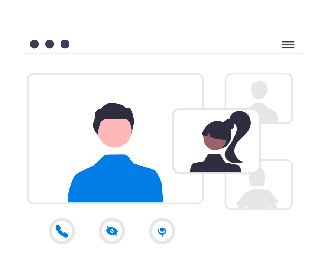
Distributed teams are groups of employees who work together from different geographical locations rather than operating from a single central office. They may work remotely from their homes, co-working spaces, or regional offices across different cities and countries. Distributed teams rely on digital communication, collaboration tools, and structured management practices to coordinate work, maintain productivity, and achieve shared organisational goals.
TL;DR
- Distributed teams consist of employees working from different geographical locations.
- They may include remote employees, hybrid workers, and teams spread across multiple offices.
- Digital communication and collaboration tools enable coordination across locations and time zones.
- Key benefits include access to global talent, workforce flexibility, and reduced office-related costs.
- Common challenges include communication gaps, time-zone differences, isolation, and coordination difficulties.
- HR teams need structured policies, clear expectations, and effective employee management practices to support distributed teams.
What Are Distributed Teams?
Distributed teams are teams whose members work from different physical locations but collaborate towards common business objectives. Unlike traditional office-based teams, they do not depend on employees being present at the same workplace to complete tasks or communicate.
A distributed team may include employees working from different cities within the same country or across multiple countries and time zones.
For example, a technology company may have developers in Bengaluru, designers in Delhi, marketing professionals in Mumbai, and a project manager in Singapore. Although these employees work from different locations, they collaborate through shared platforms, virtual meetings, and digital workflows.
Distributed teams can operate through fully remote, hybrid, or multi-office arrangements. Their effectiveness depends on clear communication, well-defined responsibilities, and access to the right technology.
Key Characteristics of Distributed Teams
Distributed teams have specific working practices that distinguish them from traditional office-based teams.
1. Geographical Independence
Employees work from different locations without being restricted to a common office. Organisations can hire talent based on skills and experience rather than geographical proximity.
2. Digital-First Communication
Team members use video conferencing, instant messaging, email, and project management platforms to communicate and coordinate their work.
3. Flexible Work Arrangements
Employees may have flexibility in choosing where they work. Depending on organisational policies, they may also have flexibility in managing their working hours.
4. Asynchronous Collaboration
Employees do not always need to be online simultaneously. They can share updates, documents, and project information so colleagues in different time zones can continue working independently.
5. Clearly Defined Responsibilities
Distributed teams require well-defined roles, deadlines, and performance expectations to avoid confusion and maintain accountability.
6. Outcome-Based Performance Measurement
Managers often evaluate employees based on deliverables, quality of work, and achievement of goals rather than physical presence or hours spent in an office.
Types of Distributed Teams
Organisations can structure distributed teams in different ways depending on their business requirements and workforce policies.
| Type | Meaning | Example |
|---|---|---|
| Fully remote teams | All team members work remotely from different locations | A software company with employees working from their respective homes |
| Hybrid distributed teams | Employees divide their time between remote work and office locations | A team working from home three days a week and attending the office twice a week |
| Multi-location teams | Employees work from different offices or branches | A sales team operating from offices across multiple cities |
| Global distributed teams | Employees work across different countries and time zones | A multinational organisation with teams in India, the UK, and the US |
| Project-based distributed teams | Employees from different locations collaborate on specific projects | A cross-functional team working on a product launch |
Benefits of Distributed Teams
Distributed teams offer organisations greater flexibility in workforce planning and talent management.
1. Access to a Wider Talent Pool
Organisations are not limited to hiring employees from a particular city or region. They can recruit professionals with specialised skills from different geographical locations.
2. Greater Workforce Flexibility
Distributed working arrangements allow organisations to structure teams around business requirements while giving employees more flexibility in where they work.
3. Reduced Operational Costs
Businesses may reduce expenses related to office space, utilities, commuting facilities, and other infrastructure requirements.
4. Improved Business Continuity
A geographically distributed workforce can help organisations maintain operations when a particular office or location experiences disruptions.
5. Opportunities for Global Collaboration
Employees from different regions and professional backgrounds bring diverse perspectives, experiences, and problem-solving approaches.
6. Potential Improvement in Employee Work-Life Balance
Remote working arrangements can reduce commuting time and provide employees with greater control over their work environment, depending on workload and organisational expectations.
Challenges of Managing Distributed Teams
Although distributed teams offer several advantages, managing employees across locations requires careful planning and coordination.
1. Communication Gaps
Without regular face-to-face interactions, employees may miss important updates or misunderstand instructions. Overdependence on written communication can also create confusion.
2. Time-Zone Differences
Employees working across different time zones may find it difficult to schedule meetings, coordinate deadlines, and resolve urgent issues.
3. Reduced Social Interaction
Limited informal interaction can make employees feel disconnected from colleagues and the organisation.
4. Performance Monitoring Difficulties
Managers may find it challenging to assess employee progress when they cannot observe day-to-day activities. This requires a shift towards measurable outcomes and clear deliverables.
5. Maintaining Organisational Culture
Building a shared organisational identity becomes more challenging when employees rarely meet in person or have limited opportunities for informal interactions.
6. Data Security Risks
Employees accessing company information from different locations and devices can increase security risks if organisations do not establish appropriate access controls and data protection policies.
7. Employee Well-Being
Remote employees may experience isolation, difficulty separating work from personal life, or pressure to remain available beyond regular working hours.
Best Practices for Managing Distributed Teams
Effective distributed team management requires a combination of clear policies, communication practices, technology, and employee support.
1. Establish Clear Communication Guidelines
Define which communication channels employees should use for different purposes. For example, instant messaging can be used for quick updates, email for formal communication, and video meetings for detailed discussions.
2. Set Clear Goals and Expectations
Define individual responsibilities, project deadlines, and measurable performance indicators. Employees should understand what they are expected to deliver and how their performance will be evaluated.
3. Encourage Asynchronous Communication
Avoid making every discussion dependent on real-time meetings. Use shared documents, recorded updates, and project management platforms to keep employees informed across time zones.
4. Schedule Regular Team Check-Ins
Conduct regular one-on-one discussions and team meetings to review progress, address challenges, and maintain employee connections.
5. Build an Inclusive Work Culture
Ensure remote and office-based employees have equal access to information, recognition, development opportunities, and important organisational discussions.
6. Invest in Collaboration Technology
Provide employees with reliable tools for video conferencing, file sharing, project tracking, communication, and workforce management.
7. Prioritise Employee Well-Being
Encourage reasonable working hours, respect time-zone differences, and create opportunities for employees to discuss workload and work-life balance concerns.
8. Maintain Consistent HR Policies
Establish clear policies for attendance, leave management, performance reviews, information security, and employee communication across different locations.
Distributed Teams vs. Remote Teams
Distributed teams and remote teams are often used interchangeably, but they are not exactly the same.
| Basis | Distributed Teams | Remote Teams |
|---|---|---|
| Meaning | Employees work from multiple geographical locations, including different offices and remote locations | Employees work outside a central office, generally from remote locations |
| Work arrangement | Can include remote, hybrid, and multi-office arrangements | Primarily based on remote working |
| Geographical structure | May span cities, countries, and multiple office locations | Employees generally work away from the organisation's central workplace |
| Collaboration | Often involves coordination across locations and time zones | Primarily relies on virtual communication |
| Example | Employees working from company offices in Delhi and Mumbai, along with remote employees in Bengaluru | A team where all employees work remotely from their homes |
The main distinction is that distributed teams describe a broader geographical workforce structure, whereas remote teams specifically emphasise working away from a central office.
Role of HR in Managing Distributed Teams
HR plays an important role in ensuring that employees working across locations receive consistent support and have a positive work experience.
Key HR responsibilities include:
- Recruitment and onboarding: Creating consistent hiring and onboarding processes for employees across locations.
- Attendance and leave management: Maintaining accurate workforce records and applying appropriate leave policies.
- Performance management: Establishing measurable goals and conducting regular performance reviews.
- Employee engagement: Organising virtual engagement activities and encouraging collaboration.
- Learning and development: Providing equal access to training and career development opportunities.
- Policy management: Communicating workplace policies, data security requirements, and employee responsibilities.
- Employee well-being: Monitoring workload, encouraging work-life balance, and providing appropriate support.
An HRMS platform such as Qandle can help organisations centralise employee records, manage attendance and leave, streamline onboarding, and coordinate HR processes across multiple locations. This makes workforce administration more organised as teams become geographically distributed.
Distributed teams allow organisations to bring together employees from different geographical locations while working towards shared business objectives. They offer access to a wider talent pool, greater workforce flexibility, and opportunities for global collaboration. However, their success depends on effective communication, clear performance expectations, consistent HR policies, and the right technology.
By establishing structured management practices and prioritising employee experience, organisations can build distributed teams that remain connected, productive, and aligned with business goals.

HRMS platforms such as Qandle can support employee information management, internal HR workflows and workforce administration
FAQ’s
1. What are distributed teams?
Distributed teams are groups of employees who work from different geographical locations but collaborate towards shared organisational goals using digital communication and collaboration tools.
2. What is an example of a distributed team?
A company with developers in Bengaluru, designers in Mumbai, and marketing professionals in Delhi working together on the same product is an example of a distributed team.
3. What are the benefits of distributed teams?
The main benefits include access to a wider talent pool, workforce flexibility, reduced operational costs, global collaboration, and improved business continuity.
4. What are the biggest challenges of managing distributed teams?
Common challenges include communication gaps, time-zone differences, employee isolation, performance monitoring, maintaining organisational culture, and data security risks.
5. What tools are used to manage distributed teams?
Organisations use video conferencing, instant messaging, project management, document-sharing, and HRMS platforms to coordinate communication, track work, and manage employee-related processes.
6. What is the difference between distributed teams and remote teams?
Distributed teams can include employees working remotely, from different offices, or across multiple countries. Remote teams specifically consist of employees working away from a central office.
 Back to Glossary