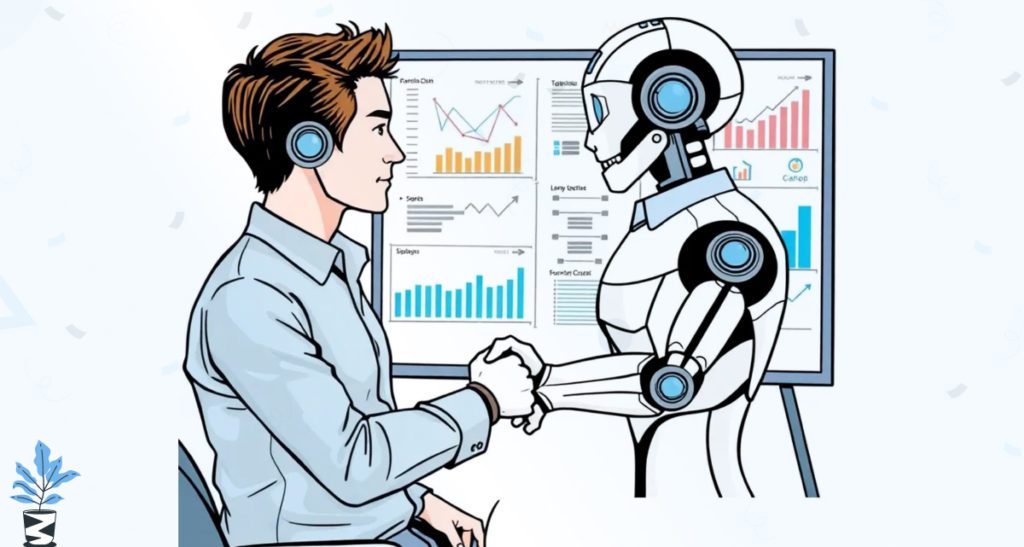
Artificial Intelligence is rapidly redefining the role of HR from administrative support to strategic business leadership. Yet, while many organizations talk about AI-driven HR, very few are truly ready to adopt it effectively. The real challenge isn’t technology alone; it’s data readiness, skills, mindset, and governance. How ready is your HR team for AI adoption? Answering this question honestly can determine whether AI becomes a growth catalyst or an expensive experiment. This blog helps HR leaders evaluate readiness, uncover gaps, and understand what it takes to successfully adopt AI in HR.
TL;DR
- AI readiness in HR goes beyond tools; it includes data, skills, processes, and culture.
- Most HR teams overestimate their preparedness for AI adoption.
- Assessing readiness helps reduce risk and improve ROI from AI investments.
- HR AI readiness typically spans strategy, data, people, and governance.
- Platforms like Qandle help HR teams move from experimentation to scalable AI adoption.

Looking for the Best HR Management Software ? Check out the Best HR Management Software.
Why AI Readiness Matters for HR Teams
AI adoption in HR is accelerating because the pressure on HR has never been higher. Leaders expect faster hiring, better workforce insights, improved employee experience, and predictive decision-making. However, adopting AI without readiness often leads to fragmented tools, biased outcomes, and low adoption by managers and employees.
AI readiness ensures that HR teams are not just buying technology, but building capability. It aligns AI initiatives with business goals such as reducing attrition, improving quality of hire, or enhancing productivity. Moreover, readiness protects organizations from ethical and compliance risks related to employee data, algorithmic bias, and lack of transparency.
For CHROs and CEOs, AI readiness is also a credibility issue. Boards increasingly expect HR to use data and intelligence at the same level as finance or operations. Without readiness, HR risks falling behind as a strategic function.
Pro Tip: AI success in HR is 70% preparation and change management, and only 30% technology.
Key Dimensions of HR AI Readiness
1. Strategic Alignment and Leadership Buy-In
AI adoption must start with a clear HR and business strategy. If AI is treated as an IT experiment rather than a business enabler, adoption will stall. HR leaders need to define what problems AI should solve such as reducing time-to-hire, predicting attrition, or improving workforce planning.
Leadership buy-in is critical because AI initiatives often require process changes, investment, and cross-functional collaboration. When senior leaders actively sponsor AI adoption, HR teams gain the authority and confidence to drive change.
Without strategic alignment, AI tools remain underutilized dashboards rather than decision-making engines.
2. Data Readiness and Quality
AI is only as good as the data it learns from. Many HR teams struggle with fragmented, inconsistent, or outdated data across recruitment, performance, learning, and payroll systems. Poor data quality leads to unreliable insights and erodes trust in AI recommendations.
Data readiness means having a single source of truth, standardized data definitions, and clear ownership. It also requires addressing historical bias embedded in HR data, especially in hiring and performance evaluations.
HR teams that invest early in data hygiene and integration progress much faster in AI adoption.
3. Skills and Capability Within HR
AI readiness depends heavily on people, not just platforms. HR professionals don’t need to become data scientists, but they must be data-literate. This includes understanding analytics, interpreting AI outputs, and asking the right questions.
Upskilling HR teams builds confidence and reduces resistance to AI-driven decisions. Additionally, collaboration with IT, data, and legal teams becomes easier when HR understands the basics of AI and analytics.
Without capability building, AI tools often end up being used only for basic automation rather than strategic insight.
4. Process Maturity and Standardization
AI thrives in structured environments. HR processes that are inconsistent or heavily manual limit the effectiveness of AI. For example, unstructured interviews make it difficult for AI to identify quality-of-hire patterns, while inconsistent performance reviews weaken predictive insights.
Standardized workflows, clear policies, and defined success metrics are prerequisites for AI readiness. Process maturity ensures that AI enhances decision-making rather than introducing confusion.
Organizations with disciplined HR processes adopt AI faster and with fewer disruptions.
5. Governance, Ethics, and Trust
Trust is the foundation of AI adoption in HR. Employees must believe that AI-driven decisions are fair, transparent, and secure. This requires clear governance frameworks covering data privacy, bias mitigation, and explainability.
HR leaders must work closely with legal and compliance teams to ensure AI use aligns with regulations and ethical standards. Regular audits, human oversight, and transparent communication build trust across the organization.
AI readiness without governance is a reputational risk waiting to happen.
Expert Insight: Ethical AI is not a compliance checkbox, it’s a leadership responsibility.

Signs Your HR Team Is (or Isn’t) Ready for AI
HR teams that are ready for AI typically share a few common traits. They rely on data for decisions, not just intuition. Their systems are integrated, and their leaders are curious rather than fearful about technology. Most importantly, they see AI as a partner, not a replacement.
On the other hand, warning signs of low readiness include heavy dependence on spreadsheets, resistance to analytics, lack of process documentation, and unclear ownership of HR data. In such environments, AI tools often fail to deliver value and quickly lose credibility.
An honest readiness assessment helps HR leaders prioritize foundational improvements before scaling AI initiatives.
How Qandle Helps HR Teams Become AI-Ready
Why HR Teams Should Assess AI Readiness with Qandle
Qandle enables HR teams to build AI readiness step by step. By automating core HR processes recruitment, onboarding, attendance, payroll, performance, and engagement Qandle reduces manual complexity and improves data consistency. This creates a strong foundation for analytics and AI-driven insights.
With integrated dashboards and real-time reports, HR leaders gain visibility into workforce trends without relying on fragmented data sources. Qandle’s structured workflows also help standardize HR processes, making advanced AI adoption more effective and trustworthy over time. Instead of overwhelming HR teams with complexity, Qandle supports a practical, scalable path to AI adoption.
Conclusion
AI adoption in HR is inevitable, but success is not guaranteed. The real differentiator is readiness. By assessing strategy, data, skills, processes, and governance, HR leaders can understand how prepared their teams truly are. Addressing gaps early prevents costly missteps and accelerates value creation. So, how ready is your HR team for AI adoption? If the answer isn’t clear, that’s your starting point. With the right foundation and the right platform, HR can confidently move from experimentation to intelligent, future-ready operations. Now is the time to assess, prepare, and lead.
HR Team for AI Adoption FAQs
They often fail due to poor data quality, lack of skills, unclear strategy, and insufficient change management.
Not deep technical expertise, but data literacy and the ability to interpret AI insights are essential.
By evaluating strategic alignment, data maturity, process standardization, people capabilities, and ethical governance.
It can be cost-effective if readiness is addressed first. Poor preparation often leads to wasted investments.
Qandle provides integrated HR automation, standardized processes, and analytics that build a strong foundation for scalable AI adoption.
Software You Need For All Your HR Team for AI Adoption Process