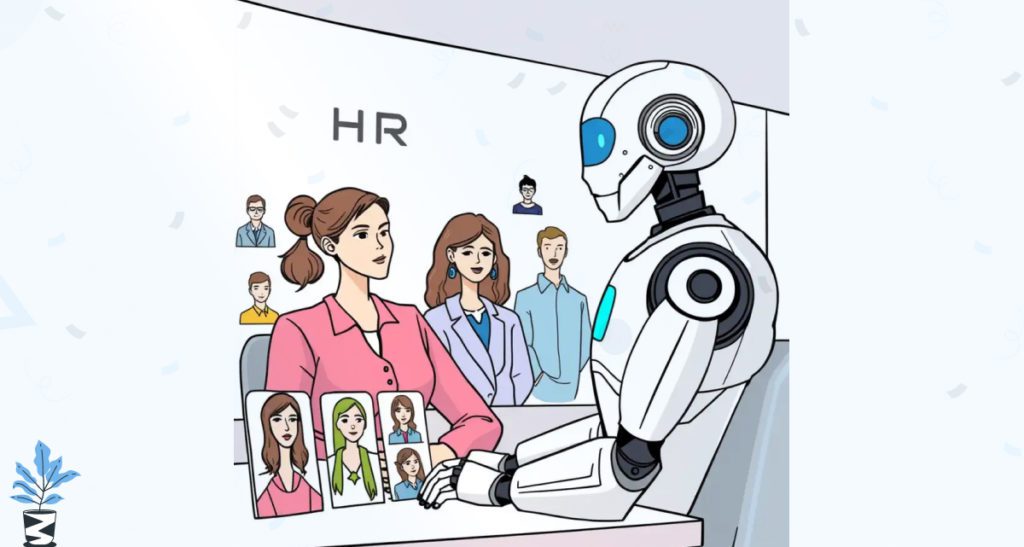
Finding the right candidate, not just an available one has become one of the biggest challenges for HR teams and recruiters today. High application volumes, skill mismatches, unconscious bias, and long hiring cycles make traditional recruitment methods inefficient and costly. This is exactly where AI job matching is changing the game. By intelligently aligning candidate skills, experience, and potential with job requirements, AI job matching enables faster, fairer, and more accurate hiring decisions. This complete guide explains how AI job matching works, why it matters, and how HR leaders can leverage it strategically.
TL;DR
- AI job matching uses machine learning and data analytics to match candidates to roles based on skills, experience, and potential.
- It reduces time-to-hire, improves quality-of-hire, and minimizes bias.
- AI job matching goes beyond keyword-based resume screening.
- HR teams must focus on data quality, transparency, and governance for success.
- Platforms like Qandle help recruiters operationalize AI job matching at scale.

Looking for the Best Recruitment Software ? Check out the Best Recruitment Software.
What Is AI Job Matching?
AI job matching is the use of artificial intelligence to automatically align candidates with open roles based on multiple dimensions skills, experience, behavior patterns, career trajectory, and even learning potential. Unlike traditional resume screening, which relies heavily on keywords and manual filtering, AI job matching understands context.
For example, a traditional system might reject a candidate because their resume doesn’t include an exact job title. AI job matching, however, recognizes transferable skills, adjacent roles, and relevant experience even if terminology differs. This is especially important in today’s skills-based hiring environment, where job titles evolve faster than resumes.
At its core, AI job matching uses machine learning models trained on historical hiring data, job success metrics, and competency frameworks. Over time, these models learn what “good fit” actually looks like for your organization, continuously improving match accuracy.
Why AI Job Matching Matters for HR Teams and Recruiters
Recruitment today is under immense pressure. HR leaders are expected to hire faster, reduce costs, improve diversity, and deliver better candidate experiences all at once. Manual screening and rule-based ATS systems simply can’t keep up.
AI job matching addresses several persistent recruitment challenges:
First, it tackles volume. Recruiters often receive hundreds or thousands of applications per role. AI rapidly shortlists candidates based on relevance, allowing recruiters to focus on meaningful conversations rather than administrative filtering.
Second, it improves quality-of-hire. By analyzing patterns from past successful hires, AI helps predict which candidates are more likely to perform well and stay longer. This shifts hiring from reactive to predictive.
Third, it enhances fairness. When designed responsibly, AI job matching evaluates candidates consistently, reducing reliance on subjective judgment and unconscious bias.
Pro Tip: AI job matching doesn’t replace recruiters, it gives them superpowers by removing noise and highlighting true potential.
How AI Job Matching Works: Step by Step
1. Job and Skill Deconstruction
AI begins by breaking down job descriptions into structured components required skills, preferred skills, experience levels, responsibilities, and outcomes. Natural language processing (NLP) helps the system understand intent, not just keywords.
This step is critical because poorly written job descriptions can mislead both humans and machines. AI systems often flag unrealistic requirements or suggest skill-based alternatives.
2. Candidate Profile Intelligence
Instead of reading resumes as static documents, AI converts candidate data into dynamic profiles. These profiles may include:
- Skills (explicit and inferred)
- Career progression patterns
- Certifications and learning history
- Performance indicators (if internal candidates)
This holistic view allows AI job matching to assess readiness and potential, not just past titles.
3. Matching Algorithms and Scoring
AI then compares job requirements with candidate profiles using similarity models and predictive algorithms. Each candidate receives a match score, often broken down by skill fit, experience relevance, and growth potential.
Importantly, advanced AI systems explain why a candidate is a strong or weak match supporting transparency and recruiter trust.
4. Continuous Learning and Optimization
The most powerful aspect of AI job matching is continuous improvement. As recruiters make hiring decisions and performance data becomes available, the system learns what worked and what didn’t, refining future matches.
AI Job Matching vs Traditional Resume Screening
| Aspect | Traditional Screening | AI Job Matching |
| Criteria | Keywords & job titles | Skills, context, potential |
| Speed | Slow, manual | Fast, automated |
| Bias Risk | High | Reduced (with governance) |
| Scalability | Limited | Highly scalable |
| Candidate Experience | Inconsistent | More fair and responsive |
Traditional screening is reactive and recruiter-dependent. AI job matching is proactive, data-driven, and consistent making it far better suited for modern hiring needs.
Benefits of AI Job Matching for HR and Recruitment
Faster Time-to-Hire
AI dramatically reduces screening time by prioritizing the most relevant candidates instantly. Recruiters spend less time filtering and more time engaging.
Better Quality-of-Hire
By learning from historical success data, AI job matching improves hiring accuracy leading to better performance and retention outcomes.
Skills-Based Hiring at Scale
AI enables organizations to move beyond degree- and title-based hiring toward skills-first recruitment, expanding the talent pool and improving diversity.
Improved Candidate Experience
Candidates benefit from fairer evaluation and faster responses, strengthening employer brand and reducing drop-offs.
Expert Insight: Organizations using skills-based AI matching see up to 30–40% improvement in hiring efficiency (LinkedIn Talent Trends).
Common Challenges in AI Job Matching (and How to Overcome Them)
Data Quality Issues
AI systems rely on clean, consistent data. Incomplete resumes, outdated job descriptions, and siloed systems can reduce accuracy. HR teams must invest in data hygiene and integration.
Bias and Ethical Concerns
AI can inherit bias from historical data. Regular audits, diverse training datasets, and human oversight are essential to ensure fairness.
Over-Automation
When AI decisions are treated as final, recruiter trust drops. The best systems keep humans in the loop, positioning AI as a recommendation engine not a judge.
Change Management
Recruiters may fear job displacement or loss of control. Transparent communication and training help position AI as an enabler rather than a threat.
Best Practices for Implementing AI Job Matching
- Start with Clear Hiring Objectives
Define what success looks like speed, quality, diversity, or all three. - Standardize Job and Skill Frameworks
Consistent inputs lead to better outputs. - Ensure Explainability
Recruiters should understand why candidates are matched. - Invest in Training
Upskill HR teams to interpret AI insights effectively. - Audit Regularly
Monitor outcomes to ensure fairness and accuracy over time.
Why HR Teams Should Use AI Job Matching with Qandle
Qandle enables HR teams and recruiters to operationalize AI job matching without complexity. By centralizing recruitment data and automating workflows, Qandle creates a strong foundation for intelligent candidate-role alignment. Recruiters gain structured shortlists, skill-based insights, and clear visibility into candidate relevance while retaining full decision control.
Qandle’s integrated analytics help HR leaders track hiring effectiveness, identify skill gaps, and continuously refine matching outcomes. With standardized processes and secure data handling, HR teams can adopt AI job matching responsibly, transparently, and at scale without overwhelming recruiters or candidates.
Conclusion
AI job matching represents a fundamental shift in how organizations hire. By moving beyond resumes and keywords to skills, context, and potential, it enables faster, fairer, and more strategic recruitment. However, success depends on readiness, data quality, governance, and human oversight are just as important as algorithms.
For HR leaders and recruiters, the question is no longer whether to use AI job matching, but how effectively and ethically it is implemented. With the right approach and the right platform, AI job matching becomes a powerful ally in building high-performing, future-ready teams.
AI Job Matching FAQs
Yes, it provides deeper context, reduces bias, and improves hiring accuracy.
When designed responsibly with audits and oversight, it can significantly reduce unconscious bias.
No. It augments recruiters by automating screening and providing insights, not final decisions.
Resumes, job descriptions, skills frameworks, hiring outcomes, and sometimes performance data.
Qandle centralizes recruitment data, standardizes workflows, and provides analytics that enable scalable, transparent AI job matching.
Software You Need For All Your AI Job Matching Process