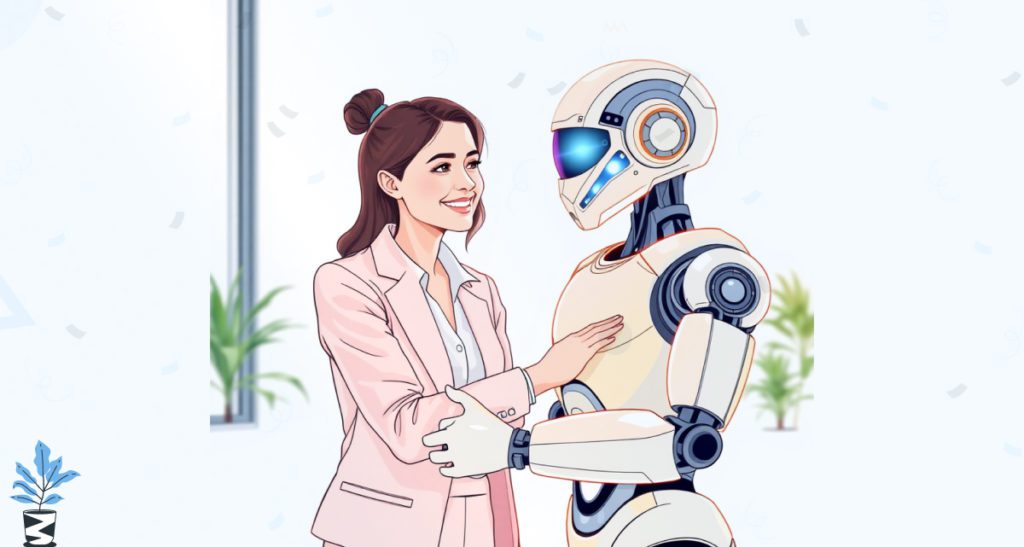
Employee expectations have changed dramatically. They want instant communication, meaningful appreciation, continuous feedback, and personalized growth paths. HR teams want the same, but manual processes, long spreadsheets, and fragmented tools slow everything down.
That’s exactly why AI employee engagement has become the new backbone of people-first organizations. In 2025, AI is not just a trend, it’s the fastest-growing strategy HR teams are using to boost morale, retention, and productivity.
Let’s dive deep into how AI is shifting the entire engagement landscape and why HR must adopt it to stay competitive.

Looking for the Best Employee Engagement Software ? Check out the Best Employee Engagement Software.
What Is AI Employee Engagement and How Does It Work?
AI employee engagement refers to the use of artificial intelligence to measure, improve, and sustain employee motivation, satisfaction, and performance. Instead of depending on once-a-year surveys or guesswork, AI continuously monitors employee sentiment, identifies patterns, and helps HR act at the right time.
In 2025, it has evolved into a full ecosystem that supports HR across communication, feedback, performance, well-being, and culture building.
How AI Employee Engagement Works?
AI gathers and analyzes information from different sources to understand how employees feel and what they need:
- AI-powered surveys
- Smart pulse checks
- HRMS data like attendance, performance, leave usage
- Employee chats through AI chatbots
- Sentiment analysis from feedback and messages
- Behavioral patterns such as drop in participation or learning activity
After collecting data, AI does three things:
- Understands sentiment: AI can detect hidden emotions, workplace frustrations, and satisfaction levels.
- Predicts engagement issues: AI identifies early signs of burnout, disengagement, low morale, or turnover risk.
- Recommends solutions: AI suggests actions like recognition reminders, training programs, workload adjustments, or even manager coaching.
Just imagine an HR team that knows employee mood daily, not yearly.
That’s the power of AI employee engagement.
Why It Matters in 2025
Employees today expect personalized experiences. They want workplaces that “get” them. AI makes this possible at scale.
Real Benefits of Using AI for Employee Engagement
Companies using AI see a dramatic improvement in workplace culture because they can understand people on a deeper level. AI makes engagement more meaningful, accurate, and proactive, which leads to happier employees and stronger teams.
Better and More Personalized Employee Experiences
Employees want to feel valued, and AI helps make that possible. Instead of generic messages or one-size-fits-all engagement programs, AI tailors communication and support based on each employee’s role, performance, interests, and behavior. This creates a sense of individuality and care, especially in large organizations where personal attention is difficult.
Data-Backed HR Decisions
Guesswork often leads to ineffective HR strategies. AI eliminates that uncertainty by providing clear, reliable data. It shows satisfaction trends, morale changes, and problem areas. HR leaders can confidently design engagement initiatives that address real needs instead of assumptions. Even small patterns become visible, such as a team feeling overwhelmed or an employee silently losing motivation.
Reduced Attrition Through Early Alerts
Employee turnover is one of the biggest challenges for HR. AI helps solve this by predicting resignation risks early. When AI detects warning signs, declining morale, lack of interaction, or negative sentiment, it alerts HR so the right intervention can happen. Companies save time, money, and resources while employees feel more supported.
Higher Workforce Productivity
Engaged employees naturally perform better. AI boosts productivity by helping HR understand what motivates employees and what obstacles slow them down. Whether it’s workload imbalance, team communication gaps, or lack of recognition, AI helps identify and resolve these issues quickly. Teams stay focused, confident, and aligned.
24/7 Employee Support Through AI Chatbots
AI chatbots such as QanBot, built into Qandle, offer round-the-clock support. Employees can instantly ask questions about policies, leaves, salary slips, onboarding documents, and more. This improves their experience while reducing HR’s workload. Instead of waiting hours or days for HR responses, employees get answers in seconds.
Smarter and More Accurate Feedback Analysis
Not all feedback is straightforward. Employees sometimes hesitate to speak directly about their concerns. AI helps decode hidden sentiments in their responses and paints a more accurate picture of their experience. It also helps HR understand whether engagement levels are improving or declining, without manual data sorting.
Supporting Employee Learning and Development
AI can identify skill gaps and suggest personalized learning recommendations, making the growth journey smoother. It also recognizes patterns like slow performance improvement or unutilized training opportunities. This helps HR design more effective learning experiences and supports employees with relevant development paths.
Is AI-Based Engagement More Effective Than Traditional HR Methods?
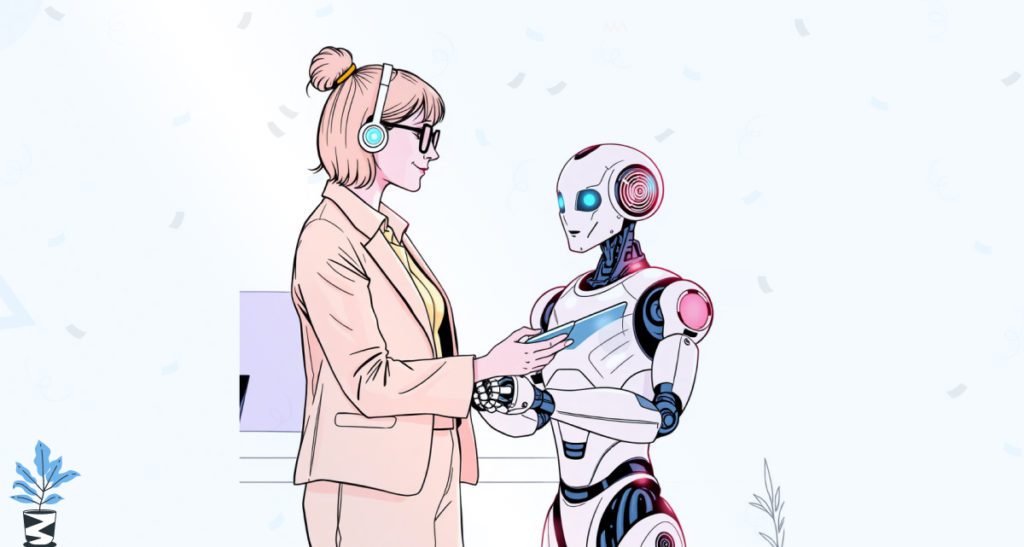
Traditional HR methods are valuable, but they often can’t keep up with the speed and complexity of modern workplaces. Annual surveys don’t reflect day-to-day employee emotions. Manual feedback analysis is slow and sometimes biased. Communication often feels generic and repetitive.
AI solves these challenges by bringing precision and speed to engagement.
A Continuous Engagement Model
AI monitors engagement throughout the year, not just during appraisal cycles. HR gets real-time updates instead of dated reports. If employee morale drops suddenly, AI detects the shift immediately, giving HR the opportunity to respond before the situation worsens.
Objective Insights Instead of Assumptions
AI removes bias. Human perception can be influenced by personal experiences, but AI reads data objectively. This means employee feedback, survey responses, and behavioral patterns are interpreted accurately. Managers receive insights grounded in facts, not opinions.
Faster and More Reliable Engagement Analysis
Manual analysis takes days or weeks. AI does the same job in seconds. Instead of focusing on paperwork, HR can spend more time building relationships, designing engagement activities, and supporting employees directly.
Customized Communication and Nudges
Traditional communication often feels repetitive. AI identifies what type of information each employee engages with and sends updates in the format they prefer whether email, app reminders, or chatbot interactions. It even nudges managers when they miss feedback cycles or recognition opportunities.
Easy Scalability for Growing Companies
As companies expand, engagement becomes more challenging. AI handles large teams effortlessly and ensures consistency across departments and locations. Whether you have 50 employees or 5,000, AI maintains the same engagement quality for everyone.
How Are HR Leaders Using AI Tools to Boost Workforce Productivity?
HR leaders in 2025 are using AI tools not just to improve engagement but also to enhance overall workforce efficiency. With AI, they can understand their teams more deeply and design strategies that make everyday work easier and more fulfilling.
Predicting and Preventing Burnout
Employee burnout has become one of the most common reasons for declining productivity. AI helps detect burnout early by analysing behavior patterns such as reduced participation, frequent leaves, workload irregularities, or negative sentiment. HR leaders use these insights to adjust workloads, initiate conversations, and offer support before employees reach a critical point.
Strengthening Employee Recognition
Recognition is a major driver of motivation. AI identifies moments when employees achieve milestones or deliver exceptional work and encourages managers to acknowledge them. It also highlights employees who may be feeling unseen. This helps build a culture where appreciation becomes a habit, not an afterthought.
Improving Internal Communication
Communication gaps cause confusion and disengagement. AI ensures that messages are sent at the right time, through the right channel, and in the right tone. If employees often skip emails, AI recommends shorter messages or app notifications. If remote teams feel disconnected, AI suggests more frequent check-ins.
Enhancing Manager-Employee Conversations
Managers are often unaware of hidden team issues. AI equips them with insights about team mood, strengths, improvement areas, and engagement trends. This helps managers prepare for one-on-one meetings, solve issues faster, and build stronger relationships with their teams.
Automating Repetitive HR Processes
HR leaders use AI to automate tasks such as onboarding messages, surveys, reminders, check-ins, and reward triggers. This allows HR professionals to focus on strategic work like culture building, performance coaching, and leadership development.
Supporting Remote and Hybrid Teams
Remote employees often feel disconnected from their organizations. AI bridges this gap through virtual recognition, digital surveys, sentiment tracking, and personalized learning. It ensures that remote and in-office employees receive equal attention and support.
The Future of AI Employee Engagement in 2025 and Beyond
AI is set to become even more intelligent and intuitive in the future. Employee engagement will move from reactive practices to predictive and personalized experiences. AI tools will create hyper-personalized journeys and anticipate employee needs before they are expressed. Emotionally intelligent assistants will guide managers with empathy and data-backed recommendations.
We will also see a rise in voice-enabled HR support, where employees can interact with AI naturally. Real-time engagement scoring will soon become as important as financial KPIs. Workplace well-being will be strongly supported by AI through automated mental health nudges, mood tracking, and burnout prediction. Companies that adopt these tools early will lead the next generation of people-first workplaces.
Why Companies Trust Qandle for AI-Driven Engagement
Qandle offers an AI-powered HRMS designed to help HR teams create engaged, motivated, and high-performing workforces. From AI pulse surveys and sentiment analytics to predictive attrition tracking and 24/7 AI chat support, Qandle simplifies engagement for growing companies. With automated nudges, personalized workflows, and deep analytics, Qandle enables HR to deliver meaningful experiences without extra effort.
Final Thoughts
AI is not here to replace HR, it’s here to empower it. In 2025, AI employee engagement has become essential for companies that want to stay competitive and build a people-first culture. By adopting AI, HR teams can connect better with employees, respond faster to challenges, and create experiences that strengthen loyalty and performance. Organizations that embrace AI today will build the most engaged workforces tomorrow. If you’re ready to transform employee engagement with AI, book a free demo with Qandle today and discover how smarter technology can help your workforce thrive.
Software You Need For All Your AI Employee Engagement Process