
Employee turnover is one of the most expensive and destabilizing issues any business faces.
Most HR teams find out about an employee’s dissatisfaction only when a resignation letter lands on their desk. By then, it’s too late the employee has mentally checked out, the manager is surprised, and the organization must rush into reactive hiring.
This is exactly why AI attrition prediction is becoming a strategic necessity. Instead of waiting for resignation signs, AI helps HR leaders detect risk early, understand root causes, and intervene before employees decide to leave.
AI doesn’t just show “who might leave.” It shows why, when, and what you can do about it, making retention proactive instead of reactive.
TL;DR
- AI attrition prediction uses machine learning and retention analytics to detect early signs of employee turnover.
- It helps organizations take proactive action before employees resign.
- AI analyzes data like performance, attendance, sentiment, skill growth, manager interactions, and workload.
- Companies use AI to stabilize teams, reduce hiring costs, and improve employee experience.
- HR leaders can implement AI effectively by improving data quality, ensuring transparency, and building intervention playbooks.

Looking for the Best Human Resource Software ? Check out the Best Human Resource Software.
What Is AI Attrition Prediction and How Does It Work?
AI attrition prediction refers to the use of machine learning models that analyze people data and predict which employees may be at risk of leaving.
Below is a deeper, more descriptive breakdown of how it works:
AI Collects and Organizes Large Volumes of Employee Data
The process begins with data aggregation. An AI-powered HRMS gathers information from multiple touchpoints, attendance logs, performance reviews, sentiment surveys, manager assessments, and workplace activity. Unlike traditional HR reports that look at single data streams, AI stitches together an integrated behavioral profile for every employee.
This ensures the system doesn’t rely on isolated incidents but evaluates long-term patterns and subtle changes that humans may miss.
Machine Learning Identifies Patterns Linked to Attrition
Once data is organized, the AI model compares it with known indicators of employee turnover.
It learns from historical cases of employees who left and those who stayed to understand which signals typically precede a resignation. The model constantly refines its understanding:
- declining engagement levels
- sudden productivity drops
- lower participation in projects
- reduced communication
- sentiment shifts in surveys
Machine learning evolves as your company evolves, making predictions more accurate with time.
AI Generates a Prediction Score for Each Employee
Every employee receives a dynamic “attrition likelihood score.” This isn’t a guess, it’s a calculated probability based on hundreds of behavioral factors. HR leaders can view these risk levels in dashboards categorized as:
- Low-risk employees (stable and satisfied)
- Medium-risk employees (showing early signs of dissatisfaction)
- High-risk employees (critical intervention required)
This allows HR to act early and deliberately instead of scrambling when resignations occur.
AI Recommends Specific Preventive Actions
Prediction is only useful if paired with intervention. Modern AI systems go further and suggest concrete steps HR or managers should take, such as:
- scheduling a development conversation
- offering an internal mobility opportunity
- adjusting workload or shifting project priorities
- addressing compensation gaps
- resolving manager-employee friction
This turns insight into action making retention structured, timely, and strategic.
Why Are Companies Using AI to Reduce Employee Turnover?
Today’s workforce is more dynamic, competitive, and mobile than ever. Organizations cannot afford unpredictable talent gaps. AI helps bring structure and foresight to what was once highly unpredictable.
Turnover Costs Are Increasing Every Year
Replacing an employee is costly recruitment expenses, training time, productivity loss, and cultural disruption all add up. AI reduces these costs significantly by preventing avoidable exits.
Companies using AI for retention analytics report higher stability and smoother operations, especially in lean teams where every resignation hurts.
Traditional HR Methods Miss Subtle Warning Signs
Humans can’t consistently track behavioral patterns across hundreds of employees. Managers may overlook early stress signals; HR may misinterpret feedback; employees may hesitate to express dissatisfaction openly. AI acts as a continuous monitoring system that flags issues the moment patterns shift long before they become resignation triggers.
AI Improves Workforce Planning and Future Stability
Predictable retention means predictable operations. AI allows leaders to anticipate skill gaps, plan hiring cycles, and align workforce capacity with upcoming business demands.
This results in:
- lower hiring pressure
- improved project continuity
- reduced burnout in remaining teams
- more stable leadership pipelines
Engagement Improves When AI Identifies Real Employee Needs
Generic engagement strategies often fail because they aren’t targeted. AI highlights what each employee needs, appreciation, growth opportunities, workload balance, or better communication enabling HR to create tailored programs.
What Data Does AI Use to Predict Employee Attrition Accurately?
AI’s accuracy comes from the depth and variety of data it analyzes. Unlike manual HR assessments, AI evaluates numerous factors simultaneously to build a holistic view.
Performance Patterns Reveal Engagement and Motivation Levels
AI reviews how an employee’s performance shifts over months, not weeks. It identifies slow declines, inconsistent quality, or unexpected spikes each of which may indicate workload issues, burnout, or disengagement.
Attendance and Work Timing Data Signal Lifestyle or Stress Issues
Patterns like frequent sick leaves, late logins, sudden absences, and decline in meeting attendance can be early indicators of dissatisfaction or stress. AI correlates these changes with role expectations, team demands, and historical behavior to determine whether the shift is significant.
Manager Feedback and Interaction Quality Show Relationship Health
AI analyzes review tone, frequency of one-on-ones, recognition patterns, and documented conflicts. Manager relationships are often the strongest predictor of employee turnover, making these signals highly valuable.
Employee Engagement and Sentiment Data Uncover Emotional Shifts
AI reads surveys, open-ended feedback, internal messaging tone, and participation levels using NLP (natural language processing). This allows the system to detect emotional trends, frustration, lack of belonging, disinterest long before they surface formally.
Compensation and Market Benchmark Data Reveal Pay Gaps
AI checks whether an employee’s compensation matches their role, experience, and market standards. Underpayment or inequity is a major driver of attrition, and AI flags these gaps early.
Career Growth and Mobility Indicators Highlight Stagnation
Limited promotions, lack of training adoption, or repeated denial of internal opportunities may push employees toward external job searches. AI identifies these stagnation patterns and alerts HR before they lead to exits.
Can AI Attrition Prediction Improve Employee Engagement Strategies?
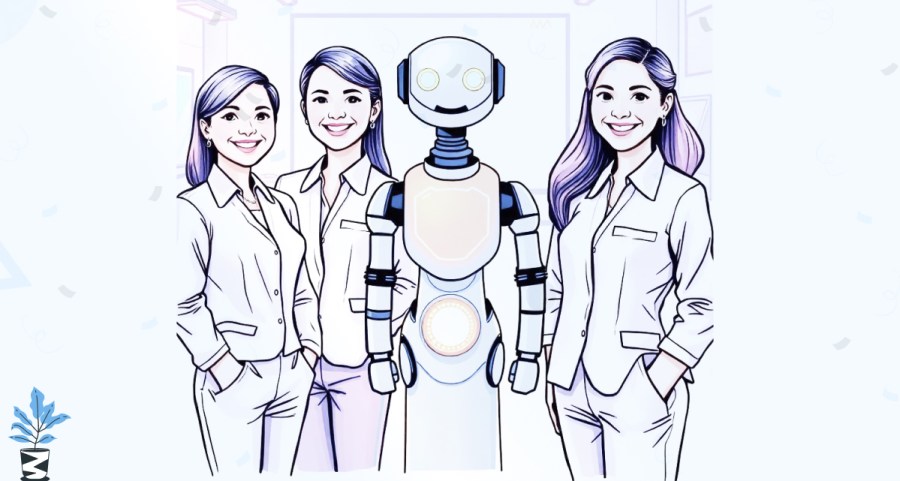
Yes in fact, engagement becomes far more meaningful and targeted when AI insights guide the strategy.
AI Helps Personalize Recognition for High Performers
AI identifies employees who are performing well but feeling undervalued. Such employees are often at high risk because they don’t feel seen. Targeted appreciation or rewards can significantly improve their willingness to stay.
Growth Opportunities Become Aligned With Individual Aspirations
Instead of offering generic training programs, AI recommends courses, certifications, or internal roles tailored to each employee’s career path. Employees feel supported, valued, and invested in.
Managers Can Intervene Before Conflicts Escalate
AI highlights communication gaps, declining collaboration metrics, or unresolved conflicts.
Managers receive guidance on when to connect, what to address, and how to rebuild trust.
Workload Distribution Can Be Corrected Quickly
Overworked employees burn out; underutilized employees disengage. AI provides a clear view of workload imbalances so HR can redistribute tasks fairly, improving both productivity and satisfaction.
Engagement Programs Become Data-Driven, Not Guesswork
Companies often launch engagement activities blindly, hoping something will work. AI eliminates guesswork by showing what each employee group needs most recognition, flexibility, learning, or leadership support.
How Can HR Leaders Implement AI Attrition Tools Effectively?
Successful implementation requires clarity, governance, and readiness.
Ensure HR Data Is Clean, Centralized, and Consistent
AI is only as good as the data it receives. HR leaders must ensure all employee records attendance, performance, payroll, feedback are organized in one HRMS. Platforms like Qandle make this centralization seamless.
Define Retention Goals and Intervention Frameworks
Before launching AI:
- decide which roles are critical
- determine acceptable turnover levels
- create action guidelines for managers
This creates purpose-driven AI adoption.
Train HR Teams to Interpret AI Insights Responsibly
HR must understand prediction logic, risk indicators, and ethical boundaries. This training ensures the tech is used to support employees, not police them.
Build a Clear Response Plan for High-Risk Employees
Predictions matter only when they lead to action. HR should create structured playbooks:
- personalized coaching plans
- timely manager check-ins
- recognition frameworks
- career mobility suggestions
This transforms insights into retention outcomes.
Maintain Transparency and Ethical Data Usage
Employees should trust the system. Communicating that AI is used to improve employee well-being, not monitor behavior builds psychological safety.
Start with a Pilot Team and Expand Gradually
A phased rollout helps refine the model, improve data accuracy, and gather internal success stories that build organizational confidence.
Conclusion
Employee turnover is no longer unpredictable.
With AI attrition prediction, organizations finally have visibility into the hidden signals that precede resignations giving HR the power to act early and meaningfully.
Companies that adopt this approach enjoy:
- healthier teams
- lower hiring costs
- stronger culture
- smoother succession pipelines
- better employee morale
AI does not replace human empathy; it enables HR to apply empathy at scale, with precision and timing. Ready to reduce turnover using intelligent AI-driven insights? Explore how Qandle’s AI-enabled HRMS helps organizations detect attrition risks early and build a more engaged, stable workforce.
Software You Need For All Your AI Attrition Process