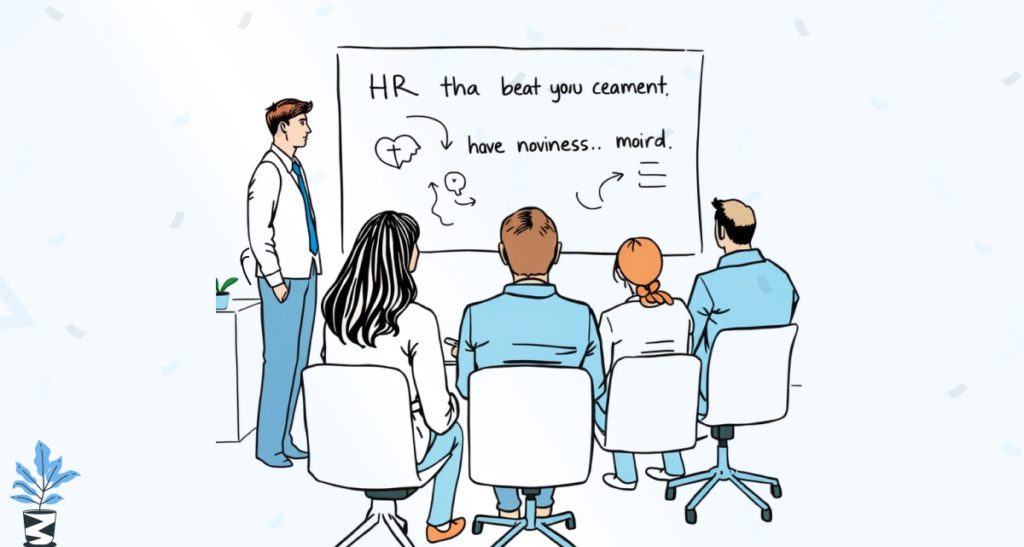
The workplace is evolving faster than ever. New technologies, shifting employee expectations, hybrid work models, and rapid digital transformation are forcing organizations to rethink how employees learn and grow. Traditional training methods are no longer enough to prepare teams for the future.
This is why Learning and Development (L&D) has become a strategic business priority rather than just an HR function. Modern organizations are investing heavily in continuous learning, skills development, leadership training, and personalized employee growth programs to stay competitive.
For CHROs, HR leaders, and business executives, understanding the latest Learning and Development trends is essential for building agile, future-ready workforces. In this guide, we’ll explore the most impactful L&D trends shaping the future of work and how organizations can adapt successfully.
TL;DR
- Learning and Development (L&D) is becoming critical for workforce transformation.
- Continuous learning is replacing one-time employee training models.
- AI-powered learning platforms are personalizing employee development.
- Skills-based learning is gaining more importance than traditional qualifications.
- Hybrid work is reshaping corporate training delivery methods.
- Employee experience and career growth are closely tied to L&D strategies.
- HRMS platforms like Qandle help organizations streamline learning management and workforce development.

Looking for Hiring Software? Check out the best Hiring Software solution.
Why Learning and Development Matters More Than Ever
Organizations today face constant disruption from automation, AI, changing customer demands, and evolving job roles. As industries transform rapidly, employee skills can quickly become outdated.
This is why strong Learning and Development strategies are no longer optional. Businesses that fail to upskill employees risk losing productivity, innovation capacity, and competitive advantage.
Closing the Skills Gap
One of the biggest workplace challenges today is the widening skills gap. Many organizations struggle to find talent with the right technical and soft skills.
Instead of relying solely on external hiring, companies are increasingly focusing on internal upskilling and reskilling initiatives. Continuous employee development helps businesses adapt faster while reducing recruitment dependency.
Additionally, employees themselves increasingly value organizations that invest in their career growth and professional learning opportunities.
Improving Employee Retention and Engagement
Employees are more likely to stay with companies that provide learning opportunities and clear career progression paths.
Modern workforce trends show that career development has become a major factor influencing employee engagement and retention. Workers want organizations that actively support their long-term growth rather than offering static job roles.
Strong L&D programs improve:
- Employee motivation
- Workplace engagement
- Internal mobility
- Leadership development
- Organizational loyalty
Building Agile and Future-Ready Teams
Continuous learning creates adaptable employees who can quickly respond to industry changes and technological advancements.
Organizations with strong learning cultures are better positioned to manage digital transformation, innovation, and workforce restructuring successfully.
Treat Learning and Development as a long-term business investment rather than a short-term training expense.
Top Learning and Development Trends Shaping the Future Workforce
The future of workplace learning is becoming more personalized, technology-driven, and employee-centric. Here are the most important Learning and Development trends organizations must pay attention to.
AI-Powered Personalized Learning
Artificial Intelligence is transforming corporate learning experiences dramatically.
Traditional one-size-fits-all training programs are being replaced by personalized learning journeys powered by AI and workforce analytics. Modern learning platforms now recommend courses, certifications, and development paths based on:
- Employee roles
- Skill gaps
- Performance data
- Career aspirations
- Learning behavior
AI-driven learning systems improve training relevance while increasing employee participation and completion rates.
Additionally, adaptive learning technologies help employees learn at their own pace, improving knowledge retention and engagement significantly.
Skills-Based Learning and Workforce Development
Organizations are shifting from degree-focused development models to skills-based learning strategies.
Instead of prioritizing formal qualifications alone, companies now focus on practical competencies such as:
- Digital literacy
- Leadership skills
- Data analysis
- Communication
- Problem-solving
- Emotional intelligence
This trend aligns closely with evolving workforce demands and internal mobility strategies.
Skills-based development also supports better succession planning and talent management by helping organizations identify and nurture future leaders internally.
Microlearning and Bite-Sized Training
Modern employees often struggle with long, time-consuming training sessions. As a result, microlearning has become one of the fastest-growing Learning and Development trends.
Microlearning delivers short, focused learning modules that employees can consume quickly during daily work schedules.
Examples include:
- 5-minute videos
- Interactive quizzes
- Mobile learning modules
- Short podcasts
- Quick scenario-based lessons
This approach improves flexibility, engagement, and knowledge retention while reducing training fatigue.
Additionally, mobile-first microlearning supports remote and hybrid workforce environments more effectively.
Hybrid and Remote Learning Models
The rise of remote and hybrid work has transformed how organizations deliver corporate training programs.
Traditional classroom-only training is no longer practical for distributed teams. Companies now increasingly use:
- Virtual instructor-led training (VILT)
- Learning Management Systems (LMS)
- Collaborative digital workshops
- Mobile learning apps
- Self-paced online courses
Hybrid learning models combine flexibility with accessibility, enabling employees to learn regardless of location.
Additionally, digital learning platforms provide better tracking, reporting, and scalability compared to traditional training methods.
Learning in the Flow of Work
One of the most innovative L&D trends is embedding learning directly into daily workflows.
Instead of separating learning from work, organizations now integrate training resources into tools employees already use regularly.
Examples include:
- In-app learning recommendations
- Workflow-integrated tutorials
- Real-time coaching prompts
- Embedded knowledge resources
This approach reduces disruption while encouraging continuous learning habits naturally within everyday work environments.
Focus on Leadership Development
As organizations navigate uncertainty and workforce transformation, leadership capabilities have become more important than ever.
Modern Learning and Development programs increasingly prioritize:
- Emotional intelligence training
- Change management
- Strategic thinking
- Communication skills
- Coaching and mentoring
Leadership development is no longer limited to senior executives. Companies are building leadership pipelines at multiple organizational levels to ensure long-term workforce resilience.
Leadership development programs should combine technical skills with emotional intelligence and people management capabilities.
Employee Experience and Career-Centric Learning
Today’s employees expect learning experiences that align with their personal career goals.
Organizations are increasingly creating personalized career development frameworks that connect:
- Learning pathways
- Internal mobility
- Promotions
- Performance management
- Succession planning
This employee-centric approach improves both engagement and retention while supporting workforce agility.
Employees who see visible growth opportunities within the organization are significantly less likely to leave for external opportunities.
Data-Driven Learning Analytics
Modern L&D strategies increasingly rely on workforce analytics and performance data to measure training effectiveness.
Learning analytics help organizations track:
- Course completion rates
- Skill improvement
- Employee engagement
- Training ROI
- Productivity impact
Data-driven insights allow HR leaders to continuously improve learning strategies and align training investments with business objectives.
Without measurable outcomes, organizations struggle to evaluate whether development programs truly deliver value.
Challenges Organizations Face in Learning and Development
Despite increasing investment in L&D, many organizations still encounter implementation challenges.
Low Employee Participation
Employees often struggle to prioritize learning alongside heavy workloads. Without engaging content and management support, participation rates decline quickly.
This is why flexible, personalized, and relevant learning experiences are critical.
Difficulty Measuring Training ROI
Many HR teams struggle to connect learning initiatives directly with business performance outcomes.
Using analytics platforms and performance tracking systems can improve visibility into training effectiveness significantly.
Rapidly Changing Skill Requirements
Technology evolves faster than traditional training programs can adapt. Organizations must continuously update learning content and workforce development strategies.
Static annual training models are becoming increasingly ineffective.
How Qandle Supports Learning and Development Initiatives
Modern workforce development requires intelligent, flexible, and scalable HR technology. Qandle’s Learning & Development module helps organizations create structured and engaging employee learning experiences.
Using Qandle, HR teams can:
- Create and assign training programs
- Upload learning materials, videos, and assessments
- Track employee learning progress
- Monitor training effectiveness
- Align development programs with performance management
Qandle also integrates learning workflows with employee performance data, helping organizations identify skill gaps and personalize development strategies more effectively. Additionally, managers gain better visibility into workforce capabilities, certifications, and readiness for future roles.
For organizations managing hybrid or distributed workforces, Qandle provides centralized access to learning resources, making continuous employee development more accessible and measurable.
Conclusion
The future of work depends heavily on continuous learning, workforce adaptability, and employee growth. Organizations that invest in modern Learning and Development strategies will be better positioned to manage digital transformation, attract top talent, and remain competitive in rapidly changing industries.
From AI-powered personalized learning to microlearning, leadership development, and skills-based training, today’s L&D trends are reshaping how employees grow and succeed.
However, effective workforce development requires more than occasional training sessions. Organizations need data-driven, technology-enabled, and employee-centric learning ecosystems that support continuous growth.
With intelligent HRMS platforms like Qandle, businesses can streamline learning management, improve workforce readiness, and create future-ready teams capable of thriving in evolving workplace environments.
If you’re ready to transform employee learning and development in your organization, book a personalized demo with Qandle today.
Top Learning and Development FAQs
L&D helps organizations close skill gaps, improve employee engagement, increase retention, support digital transformation, and build future-ready teams.
Major trends include AI-powered learning, microlearning, skills-based development, hybrid training models, leadership development, and learning analytics.
Microlearning is a training approach that delivers short, focused learning modules such as videos, quizzes, or interactive lessons for better engagement and retention.
AI personalizes learning paths based on employee roles, skills, performance, and career goals, improving training relevance and effectiveness.
HRMS platforms help organizations manage training programs, track employee progress, measure learning effectiveness, and integrate development with performance management.
Software You Need For All Your Recruitment Process